
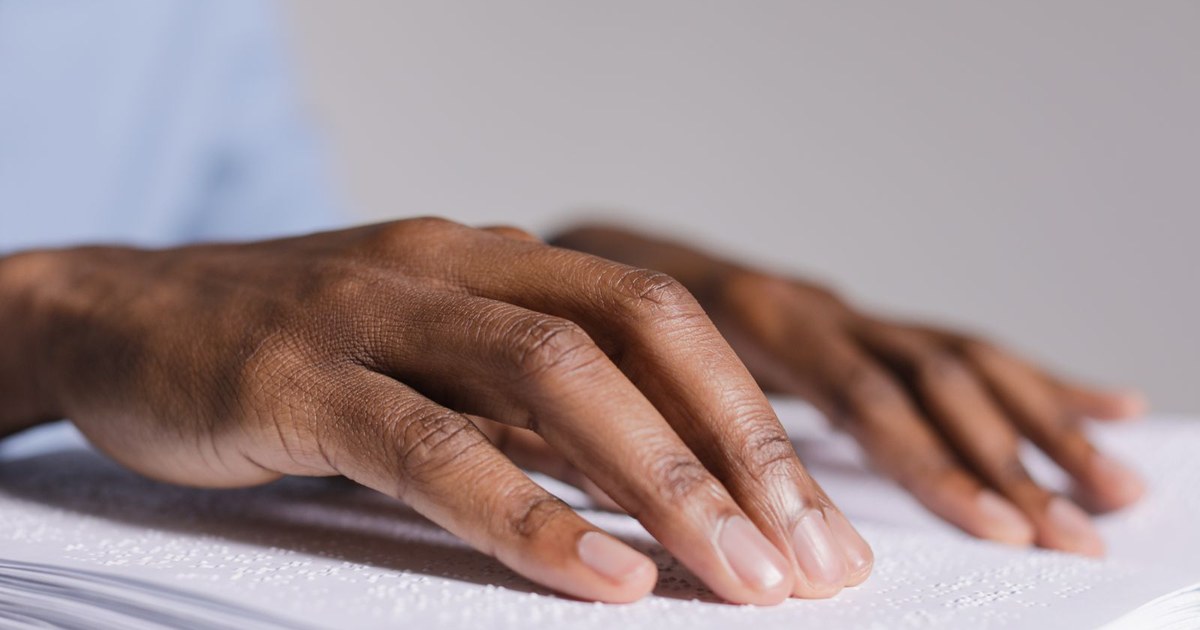
The 2026 Deafblind UK conference ran online on October 8, it was free, and the whole day was built around one sense.
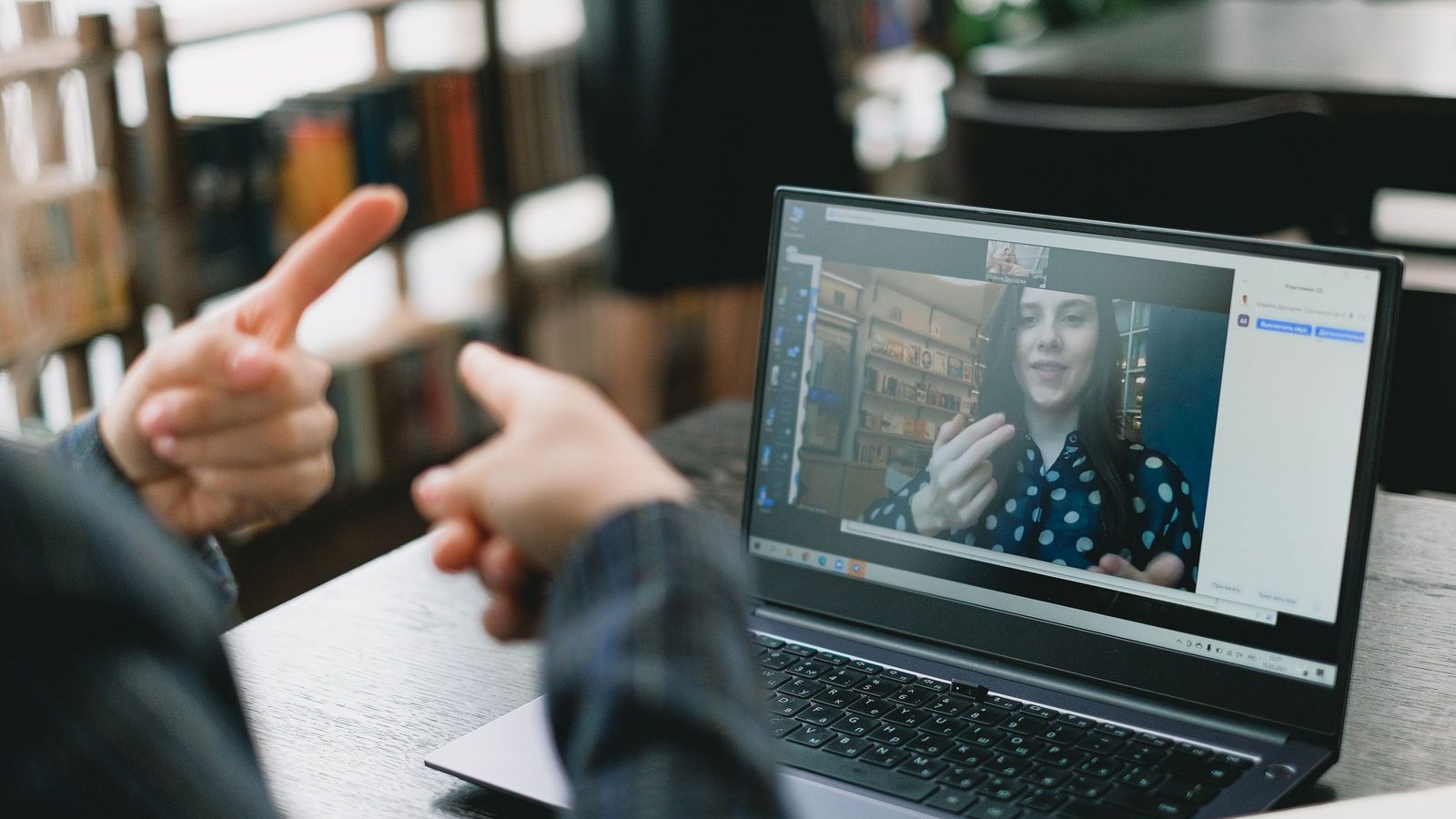
It was called In Touch: Exploring touch, tactility and deafblindness, it ran from 9:30 to 17:00 UK time, and it had 9 sessions, each with British Sign Language interpreters and lipspeakers (people who repeat what is said clearly so it can be lipread).
The organizers describe the idea simply: for many deafblind people (people who have both sight loss and hearing loss), touch is often the main way to get information, communicate, build relationships and feel part of the world.
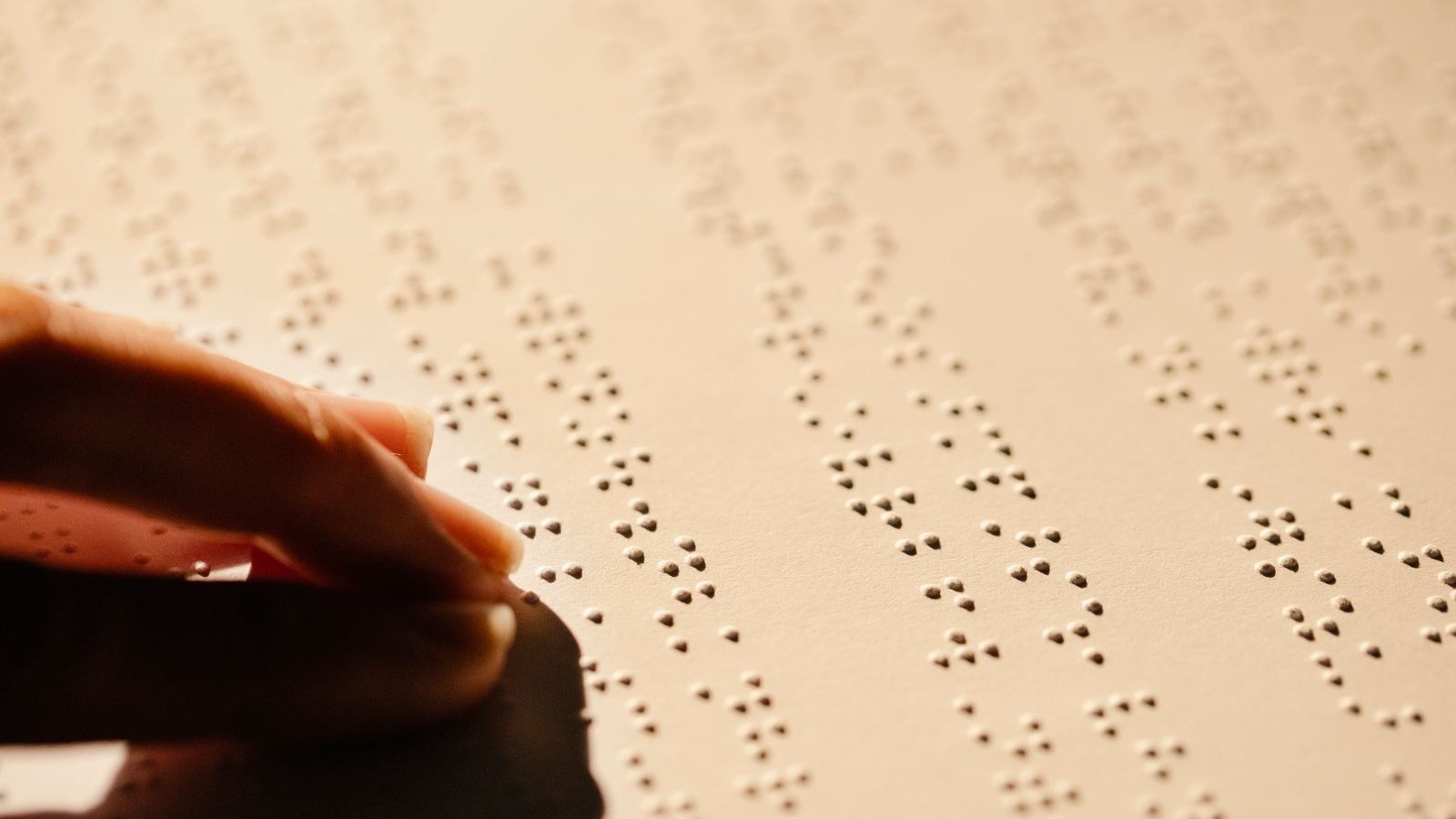
Touch technology, in that setting, means devices that turn spoken language and other information into patterns you can feel on your skin. It sits inside a wider field called tactile communication, which simply means communicating by touch, and includes touch signing, braille and social haptic communication (explained below).
Table of Contents
- What was the Deafblind UK conference in 2026?
- How many people does this affect?
- How do deafblind people communicate?
- What does the science say about touch?
- What should touch technology for deafblind people take from the conference?
- Real Questions About the Deafblind UK Conference and Touch Technology, Answered
What was the Deafblind UK conference in 2026?
As stated above the Deafblind UK conference in 2026 was a free, one day online event held on Thursday, October 8, and hosted by the charity Deafblind UK.
And It brought together deafblind people, families, carers, practitioners, academics, technologists and researchers to look at touch from 4 angles: how touch works as a channel, the science behind it, communicating by touch, and the emotional side of being in touch.
Who spoke, and what did they cover?
- Dr. Walter Wittich (Université de Montréal): where touch fits in the World Health Organization’s ICF Core Sets for deafblindness, which are standard codes for describing how a condition affects daily life.
- Jude Nicholas (Statped and Haukeland University Hospital): how the brain handles touch, including a scale for how well we hold and use what we feel.
- Steve Rose (speech pathologist and deafblind consultant): whether it is time for a tactile revolution, meaning a bigger place for touch tools in care and education.
- Russ Palmer and Dr. Riitta Lahtinen: social haptic communication (sending messages through touch on the body), from more than 35 years of using touch in daily life, relationships and research.
- Dr. Alexandra Adams, the UK’s first deafblind person to qualify as an NHS doctor: touch in medicine, and when it reassures a patient or disempowers one.
The day also had research from Birmingham City University, a panel on tactile communication in everyday life, and a session with Lord Blunkett and Sir Stephen Timms. The full speaker list is on the Deafblind UK site.
How many people does this affect?
In the UK, over 450,000 people are deafblind, according to Sense’s 2022 estimate, and that figure is expected to pass 610,000 by 2035. About ⅔ of them, 302,380 out of 451,211, are 70 or older.
So any tool for deafblind communication has to work for older adults who lose sight and hearing later in life, and not only for children who grow up with it. Keep in mind that Sense built these numbers from 2017 research, so they are an estimate, not a head count.
Zoom out and the hearing side alone is huge: the World Health Organization says over 430 million people need rehabilitation for disabling hearing loss, and it projects nearly 2.5 billion with some degree of hearing loss by 2050.
How do deafblind people communicate?
Deafblind people communicate in many ways, depending on how much sight and hearing they have and when they lost them. Some use sign language adapted for touch, some read braille, and many use approaches such as social haptic communication and Protactile (a touch language deafblind people built themselves), where messages are felt on the body instead of seen or heard.
What is social haptic communication?
Social haptic communication is a way of talking with touch, where a message is sent as a touch on the body instead of speech or signs. Two of the conference speakers, Russ Palmer and Dr. Riitta Lahtinen, helped build it over nearly 30 years. Lahtinen researched it for her 2008 PhD at the University of Helsinki, and Palmer is a deafblind cochlear implant user himself.
Palmer’s site explains that it passes on things like descriptions of a room, directions, where people are standing and stories.
What is a haptice?
A haptice is one touch message. Think of the word “yes”. Sent as a touch on the body instead of spoken out loud, that single yes is one haptice, and so is “no”.
What are haptemes?
Haptemes are the grammar that sits on top of a haptice. They are the details you can change in a touch, such as direction, rhythm, duration, pressure and speed, so the same message can carry more.
What does a yes sent by touch look like?
Say the touch message for yes is firmer and quicker. It becomes a more enthusiastic yes. It is the same message with a different tone, and the haptemes are what carry that tone.
Protactile
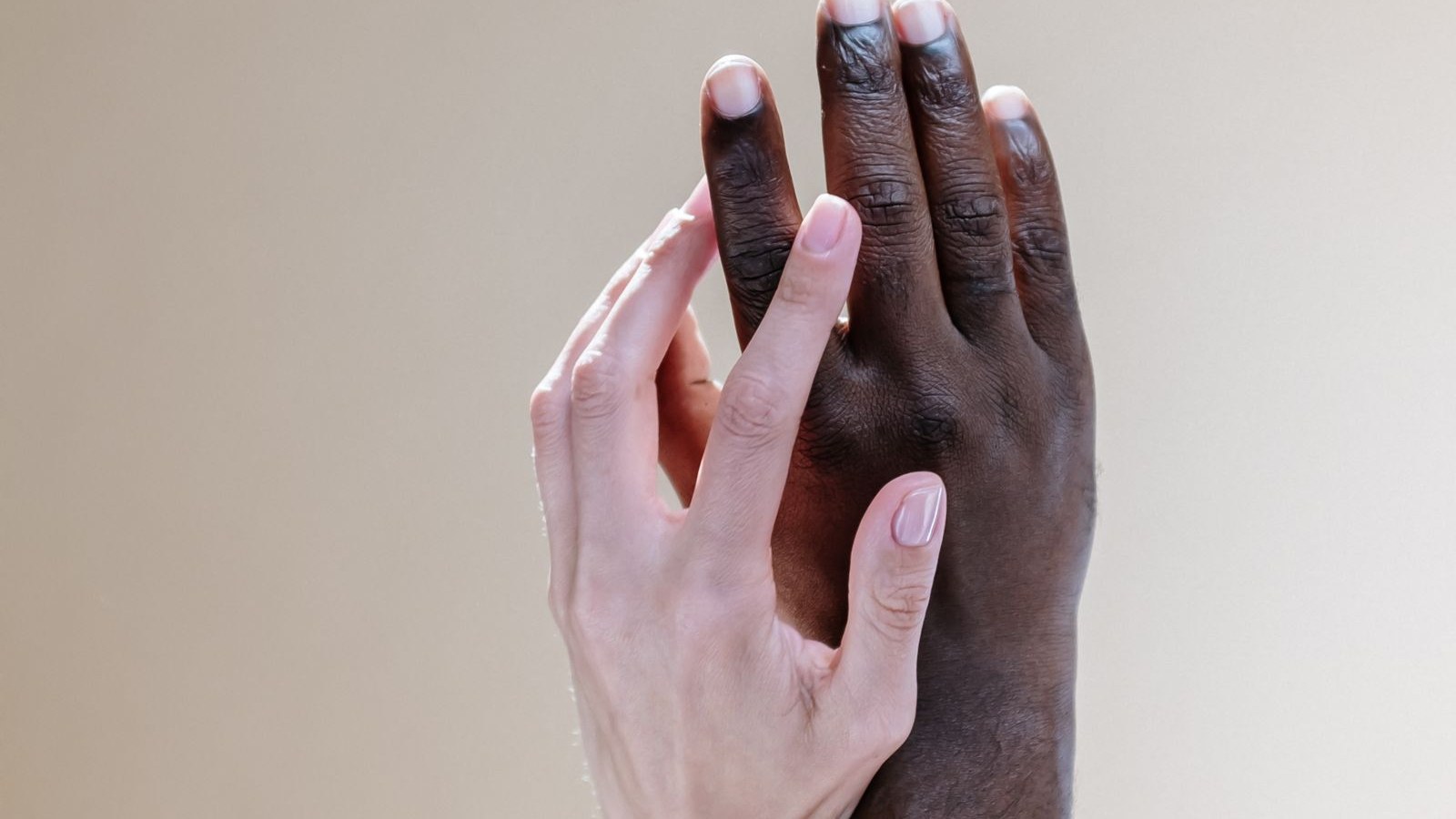
Protactile is a touch based language and way of living that grew out of the deafblind community itself.
Two deafblind women, aj granda and Jelica Nuccio, led it in Seattle from about 2007, and by 2010 it had become a language of its own, according to the Texas School for the Blind and Visually Impaired. It works in both directions, so both people are talking and listening through touch at the same time.
So for anyone building technology, the point is that touch is already a full language, and a device has to respect that, not replace it.
What does the science say about touch?
The brain is more flexible than most people expect. When someone loses a sense, the brain areas that used to process it can be taken over by the senses that remain, and that appears to support the skills people build to adapt, according to a widely cited 2010 review in Nature Reviews Neuroscience.
A 2019 study in Restorative Neurology and Neuroscience tested whether speech can be felt, using a device that turned speech into touch.
In 12 people with normal hearing, it improved how well they understood speech through background noise by 6 decibels (a unit for sound level) at the group level, and every participant improved, without the long training that earlier studies needed.
It was a small first test with hearing adults, not a trial with deafblind users, so it shows the idea can work, not that any one product does.
What should touch technology for deafblind people take from the conference?
Three ideas stand out: touch needs recognition in healthcare, touch signals need structure to carry language, and devices have to be designed to be lived with.
Recognition comes first
Dr. Wittich’s session was about touch in the World Health Organization’s ICF framework (the International Classification of Functioning, Disability and Health), which has standard codes for describing how a condition affects daily life.
The deafblindness part of it began in 2020 and finished in October 2024, when 27 international experts met at a consensus conference (a meeting to agree a shared position) near Barcelona, and it aims to promote deafblindness as a unique disability in healthcare systems, according to the European Deafblind Network.
Steve Rose’s session positioned touch tools, which he calls a tactile ecosystem, as a clinical and educational priority. When a health system has an agreed way to describe what touch does for a person, it gets easier to treat touch tools as assistive equipment and not as a gadget.
Structure beats a flat buzz
Haptemes show that touch carries meaning through rhythm, duration and pressure, not just through being on or off. Vibrotactile technology, which means technology that delivers information as vibration on the skin, can follow the same logic.
That is the approach behind the RHEMA Wrist, where speech is converted into standardized vibration families, pulse durations and timing relationships, and users learn the patterns through training and repetition.
We should be clear about where RHEMA is today: it is an evaluation model (families try it under supervision, guided by a parent), and it is not a medical device or a guaranteed communication solution.
Design for the person wearing it
Dr. Namita Jacob and Teresa Antony looked at how texture, form and design make materials you can feel more engaging, and Dr. Adams at how touch in a clinic can reassure or disempower.
Both point to the same thing: a device has to feel comfortable and respectful on the body, because touch is personal.
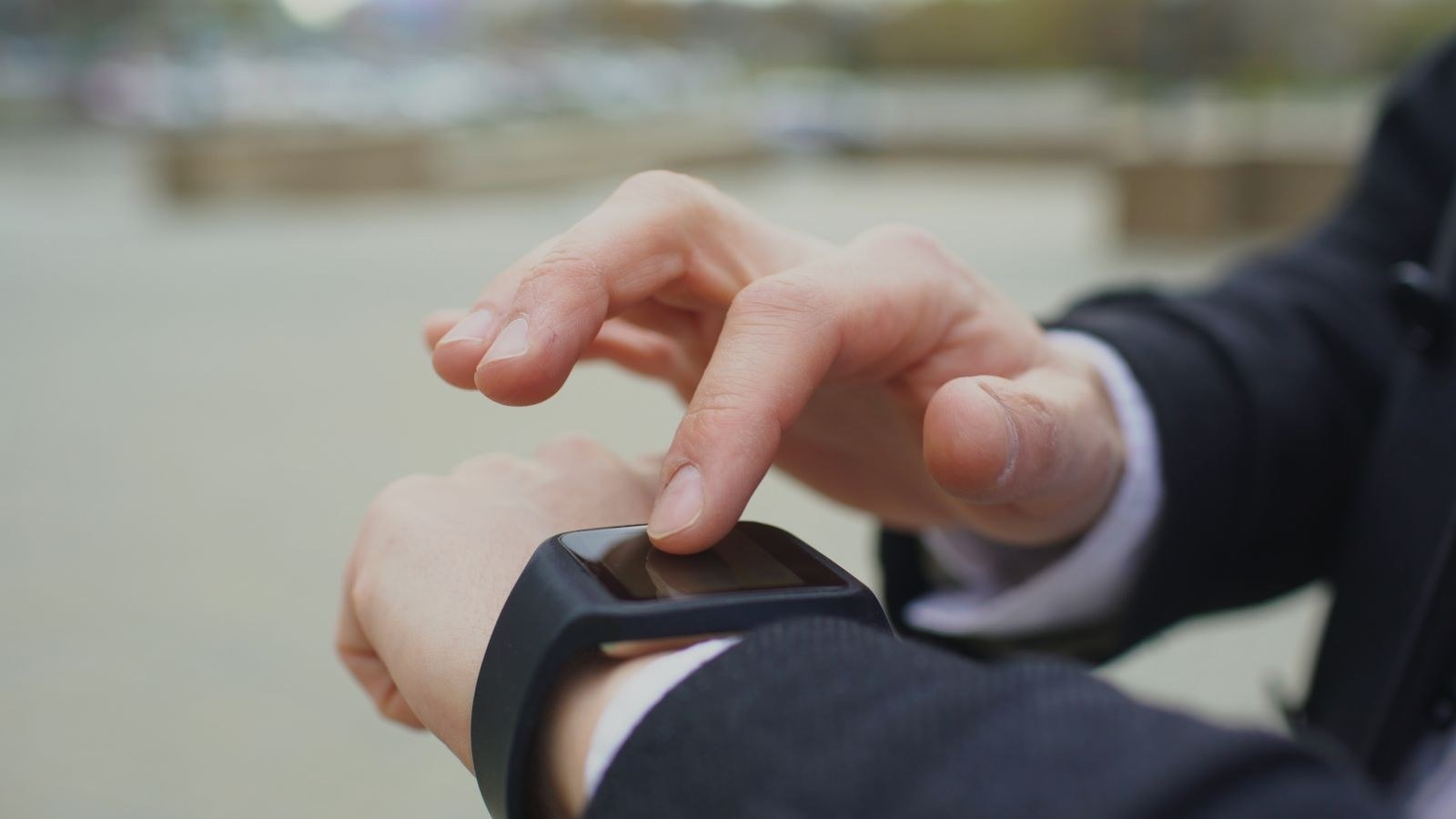
Reading about touch only goes so far, so if you want to see what a structured tactile pattern looks like in practice, you can watch RHEMA’s video demos, or start a conversation with us about the question you would most like answered.
Real Questions About the Deafblind UK Conference and Touch Technology, Answered
When was the Deafblind UK conference in 2026, and was it in person?
It was held online on Thursday, October 8, 2026, from 9:30 to 17:00 UK time, and Deafblind UK described it as a free event. BSL (British Sign Language) interpreters and lipspeakers were available at all sessions. The BATOD event listing also shows it as an online conference.
What was the theme of the Deafblind UK conference?
The theme was In Touch: Exploring touch, tactility and deafblindness. The program covered 4 focus areas: understanding touch, the science of touch, tactile communication, and the emotional side of being in touch. Across the day there were 9 sessions, from the WHO ICF Core Sets to a panel on tactile communication through lived experience.
How many people in the UK are deafblind?
Sense estimates that over 450,000 people in the UK are deafblind as of 2022, and expects over 610,000 by 2035. About 302,000 of them are aged 70 or older. The figures come from 2017 research built on 2010 prevalence estimates, so treat them as an estimate and not a head count.
What is social haptic communication?
It is an approach that passes information through touch messages on the body, such as directions, descriptions of a room or where people are standing. Its building blocks are haptices, which are touch messages, and haptemes, which add detail like pressure, rhythm and speed. Dr. Riitta Lahtinen researched it for a 2008 PhD at the University of Helsinki.
Can a tactile wearable replace braille, sign language or Protactile?
No, and we do not position it that way. Protactile has been developing since about 2007, and deafblind people already use braille, tactile signing and other touch languages, so a wearable is one more option and not a replacement. RHEMA’s evaluation model is supervised and is not a medical device or a guaranteed communication solution.
What are the WHO ICF Core Sets for deafblindness?
They are a standard set of codes, inside the World Health Organization’s ICF framework, for describing how deafblindness affects a person’s life. The project ran from 2020 to October 2024 and ended with a consensus conference of 27 international experts near Barcelona. The aim is formal recognition of deafblindness as a unique disability, though the codes still need validation by the WHO.
Did RHEMA take part in the Deafblind UK conference?
No, RHEMA was not on the program, which listed 9 sessions from other speakers. We read the program closely, because the ideas on recognition, structure and design shape how we think about tactile communication, and we would rather say plainly what the research shows than claim the conference endorses any product.