
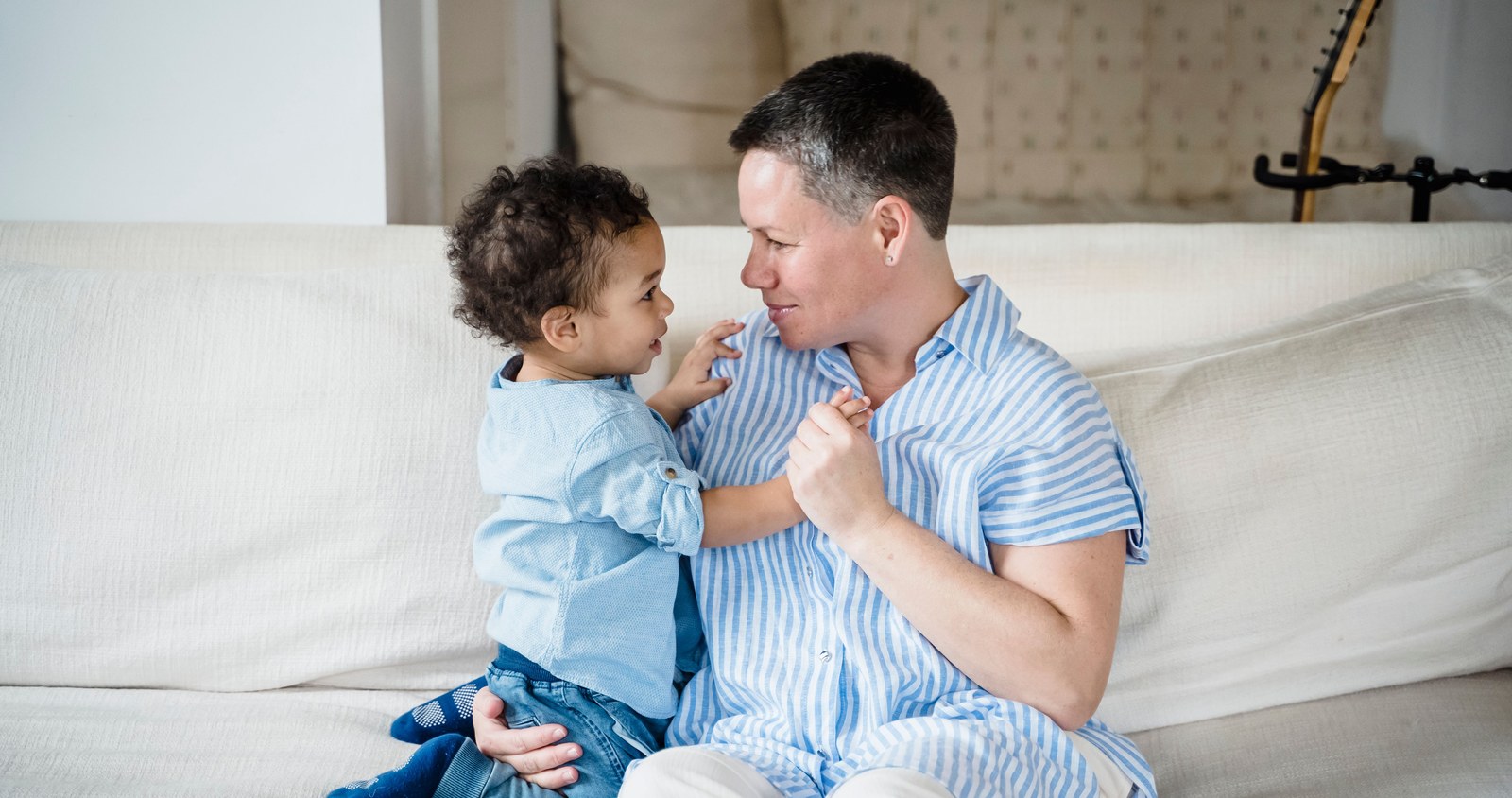
Your child was just diagnosed Deaf, or Hard of Hearing, and you do not know ASL yet.
Every article you have opened this week assumes you already do.
Here is the number nobody tells you on diagnosis day. More than 90% of Deaf children are born to hearing parents, according to the National Institute on Deafness and Other Communication Disorders.
Your child is very likely the first Deaf person you have ever met. You are not behind, you are the normal case.
RHEMA’s tactile wrist wearable exists for exactly this gap, the months between diagnosis and fluency, and it is worth understanding before you decide what to do next.
The real question is not whether you will eventually learn ASL. It is what you do with your child tonight, this week, this month, while you are learning it.
That gap has a real shape and a real length. This post walks through it.
Table of Contents
- How Long Does It Actually Take to Learn ASL?
- Why the First 6 Months Actually Matter
- What Hearing Parents Can Actually Do Right Now
- Where a Tactile Communication Wearable Fits, and Where It Does Not
- What This Looks Like 6 Months In
- Real Questions About Connecting With a Deaf Child While Learning ASL, Answered
How Long Does It Actually Take to Learn ASL?
Longer than the parenting forums make it sound. Most hearing parents reach conversational fluency in ASL somewhere between 2 and 5 years of regular practice, not 2 months.
The University of Colorado’s ASL program puts the fundamentals at 60 to 90 hours of real instruction just to reach basic conversational ability, roughly equivalent to 3 to 6 months of a spoken foreign language.
Getting from beginner to a genuinely intermediate level typically takes 2 to 3 years. Moving from intermediate to fluent adds another 2 years on top of that, and ASL learning platforms like ASL Bloom put full fluency, the kind where you catch nuance, tone, and fast conversation, at an average of 8 or more years.
None of that is a reason not to learn it. ASL is a complete natural language, and it belongs in your home for the long term, not as a phase.
It is a reason to stop waiting for fluency before you start actually talking to your child.
| Stage | Typical Time | What This Means for Your Child |
|---|---|---|
| Basic signs and fundamentals | 60 to 90 hours | Enough for names, needs, and daily routines |
| Beginner to intermediate | 2 to 3 years | Real conversation, still missing nuance |
| Intermediate to fluent | 2 more years | Full, natural back and forth |
| Full fluency, average | 8 or more years | The level most hearing parents picture on day 1 |
Your child does not get to pause development while you climb that table.

A parent practicing a sign language gesture at home. Photo: Pexels.
Why the First 6 Months Actually Matter
Because language access has a real, biological window, and it starts closing well before most families feel ready.
Dr. Wyatt Hall, a public health researcher at the University of Rochester Medical Center, has found that the critical period for language acquisition runs from birth to roughly ages 3 to 5, and that less than 10% of Deaf children in America currently get early access to language during that window.
The National Association of the Deaf and researchers at Boston University independently put the number of Deaf children experiencing real linguistic neglect, meaning inconsistent or delayed access to a full language, as high as 70%.
That is the belief worth naming directly: many hearing parents assume the safe move is to wait, get fluent, then start “real” communication. The research says the opposite. Delay is the actual risk, not the imperfect bridge you build while you learn.
This is also where the 6 month window in this post’s title comes from. The Joint Committee on Infant Hearing’s own 1-3-6 guideline, confirmed by both the CDC and ASHA, sets a firm clinical clock most families never hear named out loud.
| Milestone | Deadline | What Happens |
|---|---|---|
| Hearing screening | By 1 month old | Confirms whether further testing is needed |
| Full diagnostic evaluation | By 3 months old | Confirms Deaf, Hard of Hearing, or hearing status |
| Early intervention enrollment | By 6 months old | Services, IFSP goals, and family support begin |
Your child’s care team is already working on that clock. Your family’s communication plan should be too.
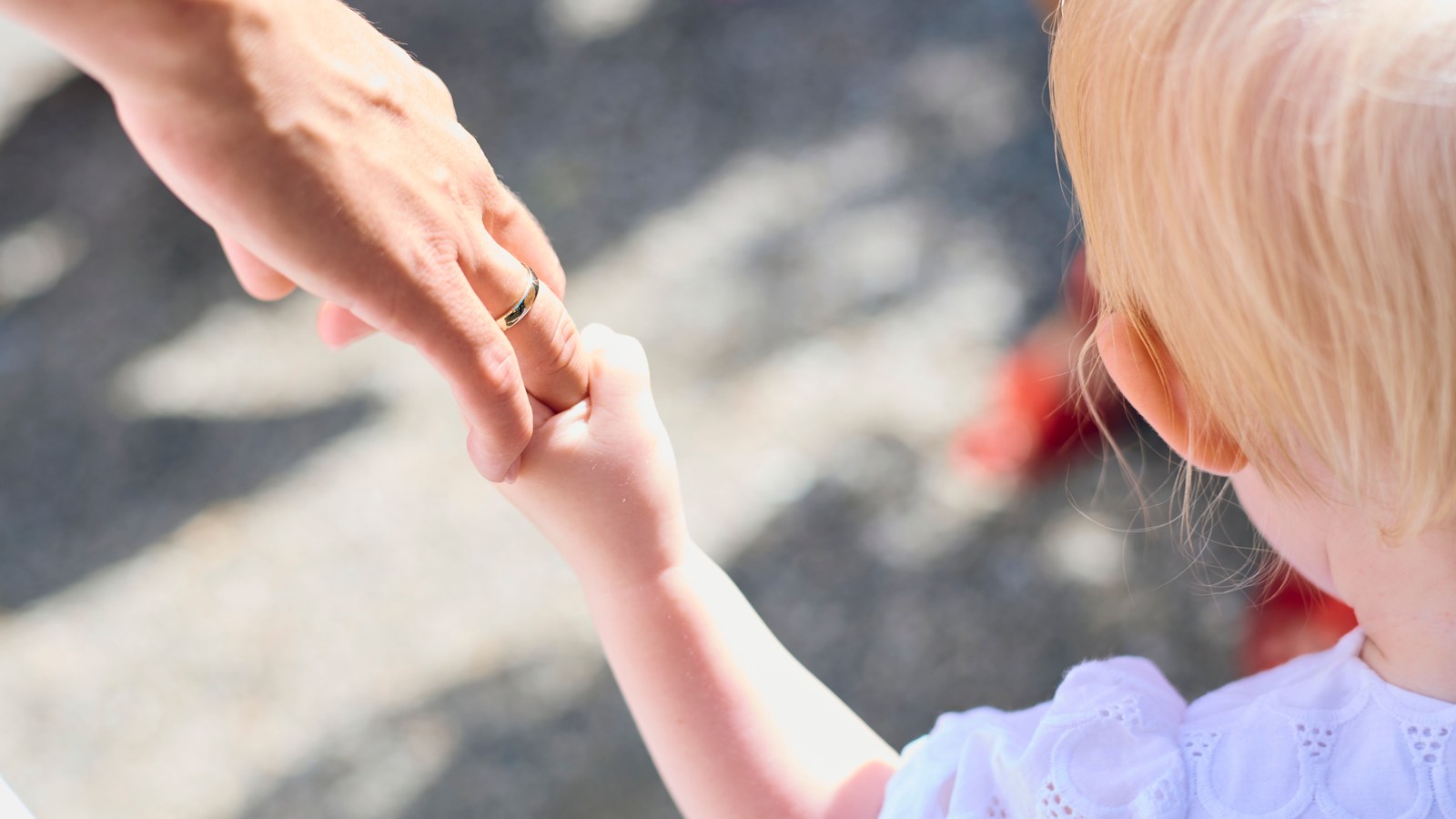
An early moment of hands on tactile communication between a caregiver and a child. Photo: Pexels.
What Hearing Parents Can Actually Do Right Now
Start with the tools that need zero ASL vocabulary at all, and layer real signs on top as you learn them.
Build the Visual Habits First
Get down to your child’s eye level before you communicate anything. Use consistent facial expressions, exaggerated a little more than feels natural at first, and point at what you are talking about rather than describing it from across the room.
These are not ASL, but they are the scaffolding ASL gets built on, and your child can use them the same day you start.
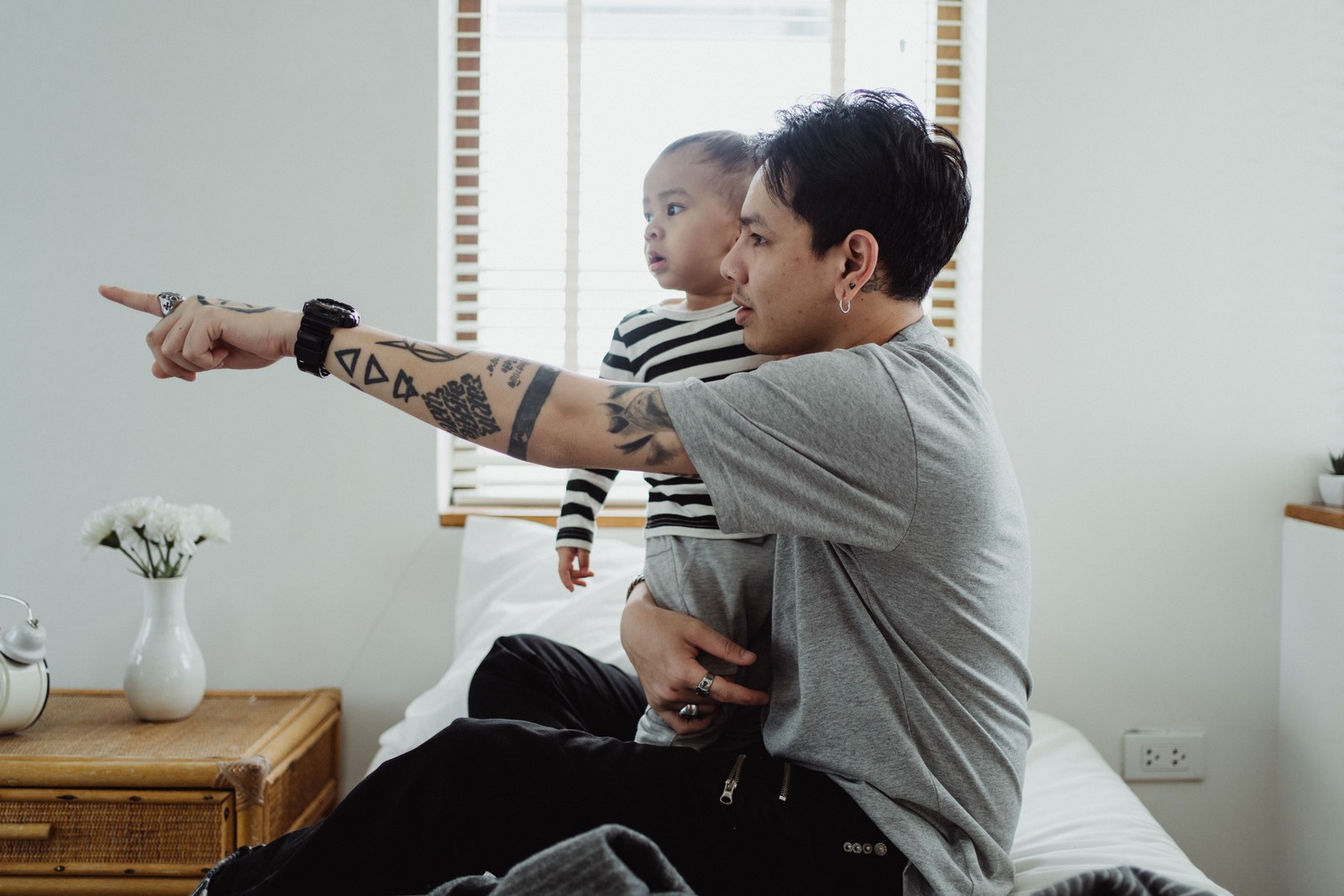
A parent using pointing and eye contact to build early visual communication habits. Photo: Pexels.
Put the Paperwork to Work, Not Just the Feelings
Your child’s Individualized Family Service Plan, or IFSP, already has communication goals written into it if you are enrolled in early intervention. Most parents read it once and file it.
Pull it back out. Every “goal” line is a real, specific thing you can practice at home that week, not just a form for the therapist.
The Email You Can Actually Send Tonight
Here is a real email, ready to copy and send to your early intervention coordinator or audiologist tonight, using the exact language they are trained to respond to.
Subject: Communication access options while we learn ASL
“Hi [name], we are a hearing family with a newly diagnosed Deaf child, and we are starting ASL classes but know real fluency will take time. Can you point us toward early intervention communication resources, and let us know if tactile or visual communication tools are appropriate to use alongside ASL while we build our skills? We want our IFSP goals to reflect both.”
Send that exact email tonight. It puts “early intervention,” “IFSP,” and “Deaf and Hard of Hearing” in front of the person whose job is to answer it, and it gets your family on record as asking for a bridge, not just a class schedule.
Use Structured Tactile Communication as the Bridge Itself
This is the part most guides for hearing parents skip entirely, because most of them are written for a family that already has an interpreter in the room.
A structured tactile communication device turns spoken words into a repeatable pattern your child can feel and learn to recognize, distinct from a general vibration or alert. It sits alongside your growing ASL, not instead of it.
Where a Tactile Communication Wearable Fits, and Where It Does Not
It fits as a bridge for spoken words your family cannot yet sign, not as a replacement for ASL or for your child’s Deaf community.
RHEMA’s own product FAQ is direct about this: RHEMA is designed to complement communication rather than require someone to abandon ASL, and the right combination depends on your child’s own communication preferences and situation.
The underlying science is not new. MIT researcher Theodore Moallem showed as early as 2011 that tactile speech systems can supplement speechreading through structured tactile encoding and sensorimotor training. A 2021 Stanford study by Perrotta, Asgeirsdottir, and Eagleman found deaf and hard of hearing participants learned to recognize sounds delivered as wrist vibration patterns with up to 95% identification accuracy, improving the more they practiced.
RHEMA’s own published pilot, led by founder Samuel Martyn James in 2019, reported 87% recognition under its test conditions, a real number worth naming honestly as the company’s own study, not independent third party research.
None of this replaces an ASL interpreter, and it should not be positioned as one. It is a way to hand your child a specific spoken word, right now, in the gap before your signing vocabulary can carry it.
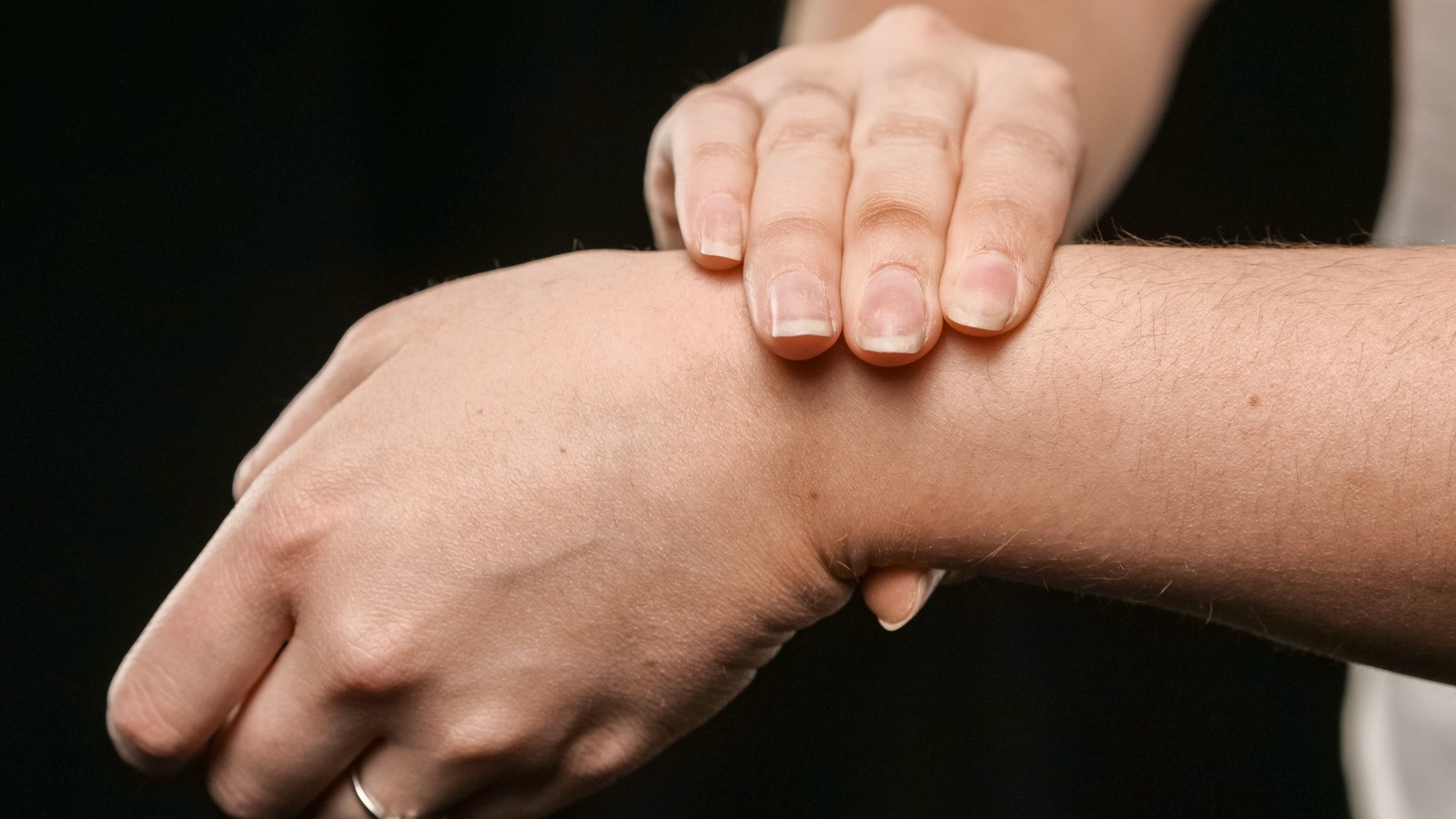
Touch on the wrist, the same location a structured tactile communication device delivers its patterns. Photo: Pexels.
| Option | What It Actually Gives Your Child | Where It Runs Out |
|---|---|---|
| ASL, as you learn it | A full, natural language for life | Takes 2 to 8 years to reach fluency |
| Live captions | Text access on a screen | Needs a screen and full visual attention |
| Structured tactile device | A felt word, hands and eyes free | Not a substitute for full language access |
Look at that table honestly. Nothing in it replaces the other two rows. Each one covers a different gap in the same 6 months.
RHEMA currently runs this as a parent evaluation program, not a retail purchase, priced at US$200 internationally or ₹17,500 in India. Submitting the application starts a review, it does not charge you, and RHEMA confirms suitability with your family before any payment is requested.
What This Looks Like 6 Months In
Here is the honest, ordered version of what actually changes over that window, not a single “aha” moment.
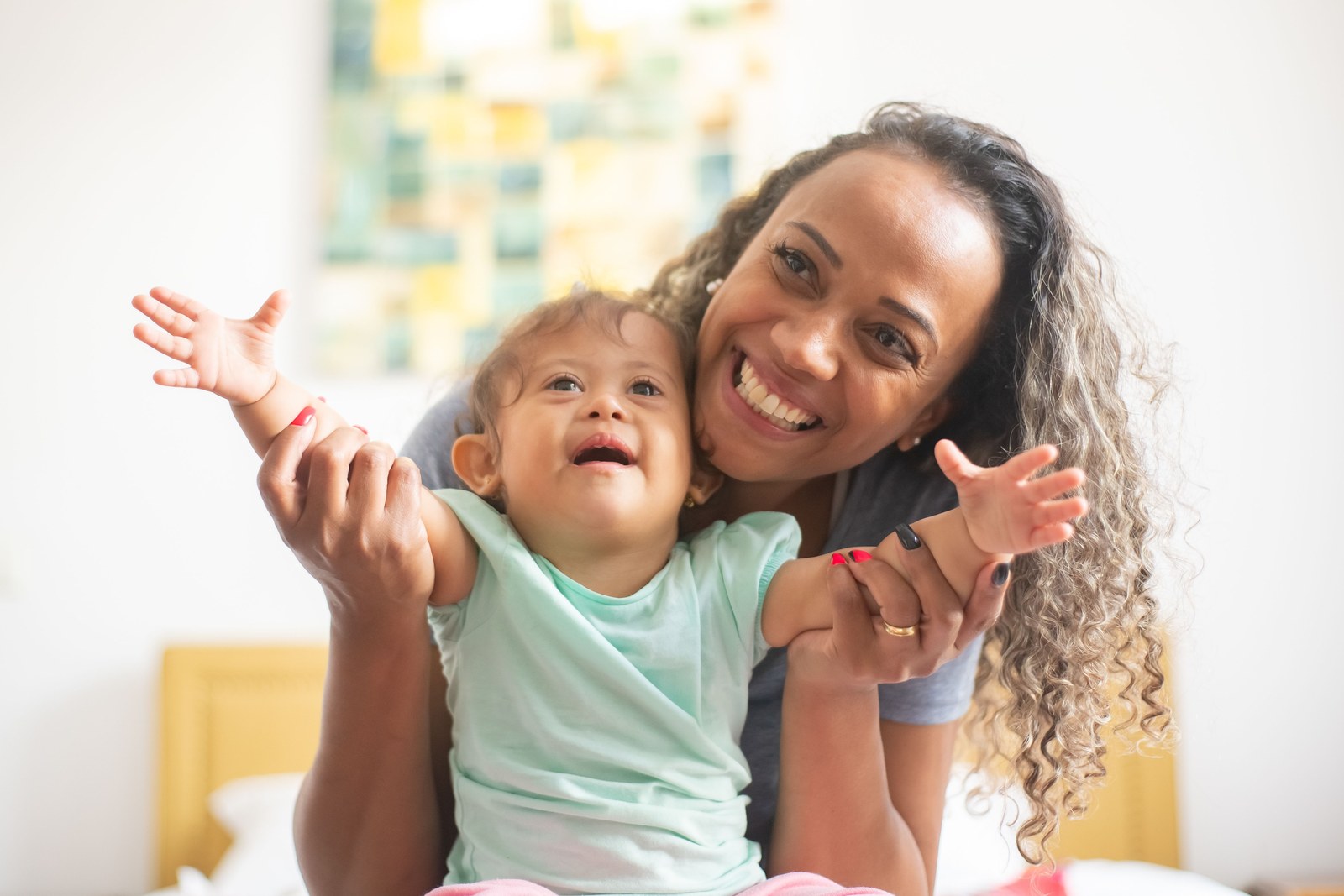
Real progress, 6 months in, looks like this rather than a single breakthrough moment. Photo: Pexels.
- Month 1. Visual habits are already automatic. Your child expects eye contact and pointing before anything else happens.
- Month 2. Your IFSP has specific, practiced goals attached to it, not just paperwork.
- Month 3. A handful of daily needs, more, eat, help, done, are reliably understood both ways.
- Month 4. A tactile bridge, if your family chose one, is handling specific spoken words your ASL has not reached yet.
- Month 5. Your own signing vocabulary has crossed from isolated words into 2 and 3 sign phrases.
- Month 6. You are not fluent. You are, provably, no longer stuck at day 1.
The difference is not “fluent versus not fluent.” It is this: “We’re waiting until we know ASL to really talk to her” against “We talk to her every day, and we’re getting better at it every week.”
Same family, same timeline, completely different 6 months.
If you want to see whether RHEMA’s evaluation program is the right piece of that bridge for your own child, apply for the parent evaluation here or see the full range of intended uses before you decide. Applications are reviewed individually, and no payment is requested until RHEMA confirms suitability with your family in writing.
Real Questions About Connecting With a Deaf Child While Learning ASL, Answered
My child was just diagnosed Deaf and I do not know sign language yet. What do I do?
Start with visual habits today: eye level, consistent facial expression, and pointing at what you mean, none of which require ASL vocabulary. Then enroll in early intervention services, which ASHA’s early hearing detection and intervention guidance recommends beginning by 6 months of age, and start ASL classes in parallel rather than waiting to feel ready.
How long does it take a hearing parent to learn ASL well enough to communicate with their child?
Learning the fundamentals takes 60 to 90 hours of real instruction, roughly 3 to 6 months of a spoken foreign language, but full nuanced fluency averages 8 or more years. That gap is exactly why a bridge tool matters in the meantime.
Should I learn ASL or buy a communication device for my Deaf child?
This is not really an either or question, and at RHEMA we built the evaluation program specifically because families kept asking it. Learn ASL as the real, lasting language for your family, and use a structured bridge, tactile or otherwise, for the specific words your signing has not reached yet. One replaces the other only if you stop learning ASL, which we do not recommend.
Can a wearable tactile device complement ASL rather than replace it?
Yes, that is its intended role. RHEMA’s own product guidance states the device is meant to complement communication rather than require a family to abandon ASL, with the right combination depending on the child’s individual communication preferences and situation.
What can I use when my Deaf child needs to understand something immediately and I cannot sign it?
A structured tactile communication device is built for exactly that moment, delivering a specific spoken word as a repeatable felt pattern instead of leaving the child guessing from your face and hands alone. It works alongside visual cues and whatever signs you already have, not instead of them.
Is a tactile communication device appropriate for young Deaf children?
Suitability should be evaluated individually with the family, which is why RHEMA runs this as a reviewed parent application rather than an open purchase. The program includes visual and audio supported parent training and does not require a specialist teaching qualification to begin.
What are the limitations of speech-to-tactile communication?
It represents speech differently than hearing does, so it should never be assumed to reproduce every detail of a spoken conversation perfectly. Real factors like background noise, the accuracy of speech recognition, and how much practice the wearer has had all affect how well it works in a given moment, and RHEMA is explicit that it is not a medical device, hearing aid, or emergency communication system.
If you want a second opinion before deciding anything, contact RHEMA directly to start the review conversation. Applications are free to submit and reviewed individually before any payment is requested.