
As a child, Laura Bridgman was said to be second in fame only to Queen Victoria, according to the Perkins School for the Blind.
She was deafblind (having both hearing loss and vision loss), and from 1837 she learned language through tactile communication, which simply means communicating by touch.
Few people know her name today, and fewer know Marie Heurtin, a French girl who was born deafblind. Both help answer a question families still ask: how do deafblind people learn?
Table of Contents
- Who was Laura Bridgman, and why was she so famous?
- How did Marie Heurtin learn when she was born deafblind?
- What did Bridgman and Heurtin have in common?
- How many deafblind people are there today, and who are they?
- What does this history mean for touch technology today?
- Real Questions About Deafblind Learning, Laura Bridgman and Marie Heurtin, Answered
Who was Laura Bridgman, and why was she so famous?
According to Perkins, Laura Bridgman was the first student with deafblindness to be formally educated.
She was born in Hanover, New Hampshire, on December 21, 1829. At 24 months, scarlet fever took her sight, hearing and sense of smell, and nearly all of her taste.
She arrived at Perkins in October 1837, 11 weeks before her eighth birthday.
Samuel Gridley Howe, the school’s director, began teaching her. His published reports made them both world famous.
Then Charles Dickens visited in 1842 and wrote about her in American Notes, which added to her fame.
In those days, Perkins says, people who were deafblind were considered hopelessly unreachable.
So how do you teach words to a child who can’t see or hear them?
How did Howe teach her?
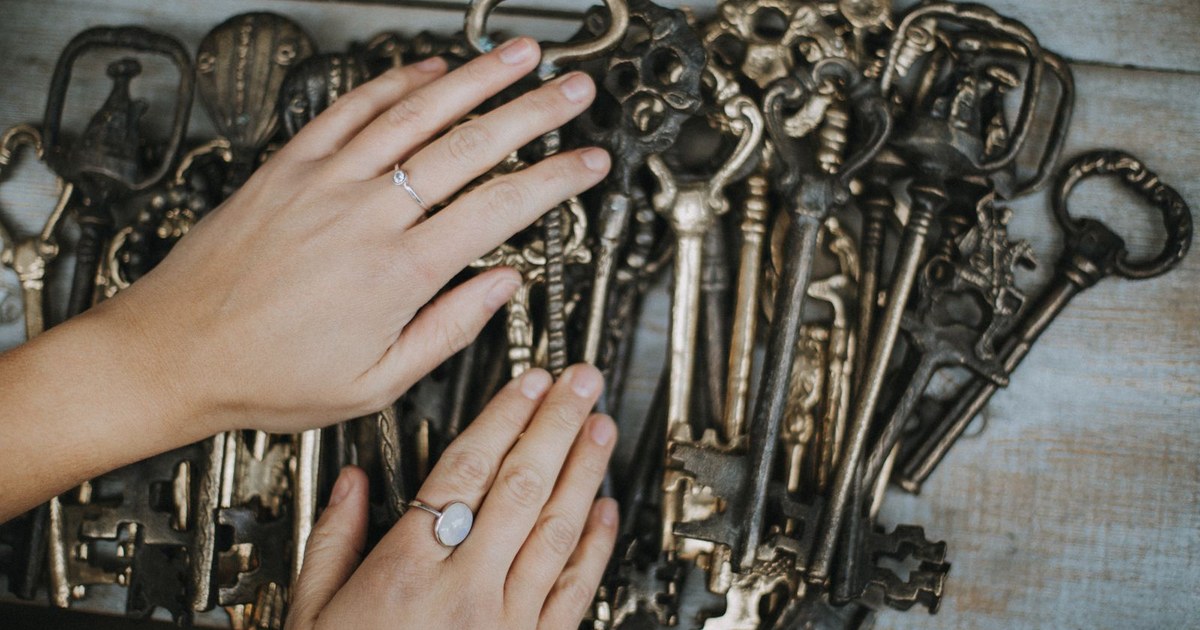
Perkins says he began with objects she knew, like keys and spoons. He attached labels made of raised letters.
When he gave her loose labels with the same words, she matched each one to its object.
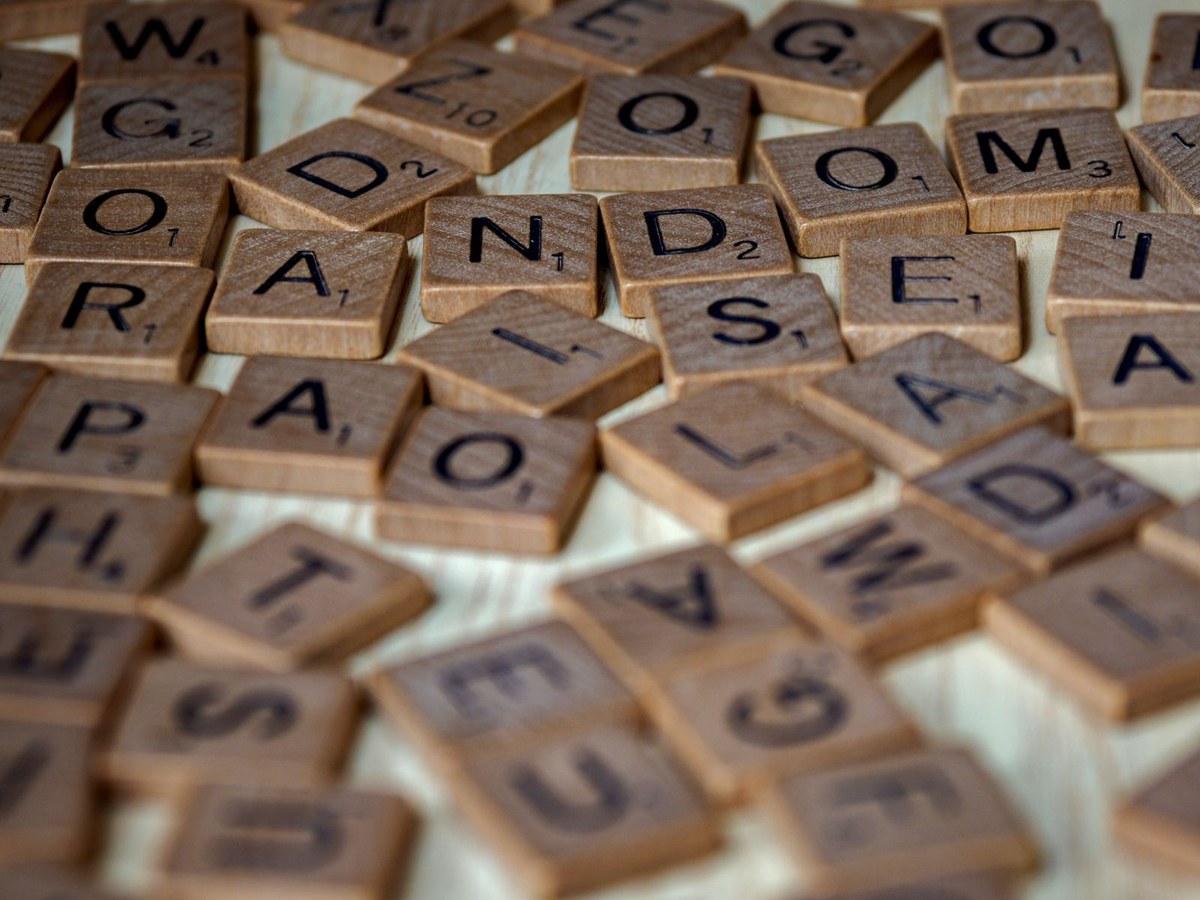
But Howe wrote that this was only imitation and memory. So he cut the labels into single letters, jumbled them, and she put them back in order to spell each word.
According to Howe, that was the moment she grasped the idea of language. After that, she asked for the name of everything she met.
About a year later she joined the regular Perkins classes, and she studied subjects like algebra, geometry and philosophy.
What did Howe choose not to do?
But Bridgman already had a rough sign language of her own, and Howe chose to teach her English instead of building on it.
It was an early version of a question teachers still argue about: start with the child’s own signs, or with the school’s language?
What happened when her lessons ended?
Then, in 1850, her formal instruction ended, and at 20 she went home to New Hampshire.
After years with a constant teacher, she was suddenly alone day and night. Her health began to decline, says Perkins.
Howe and her friend Dorothea Dix raised an endowment so she could live at Perkins for good. She died there on May 24, 1889, at 59.
So language was only the first step, since she also needed people to talk to.
How did Marie Heurtin learn when she was born deafblind?
Marie Heurtin was born deafblind on April 13, 1885, in Vertou, France.
She lived at home until she was 10, apart from short stays at two other schools.
And her father was a barrel maker whose trade, wrote Louis Arnould, hardly paid for daily bread.
Arnould was a professor in Poitiers, and the 1904 edition of his book about her is still online.
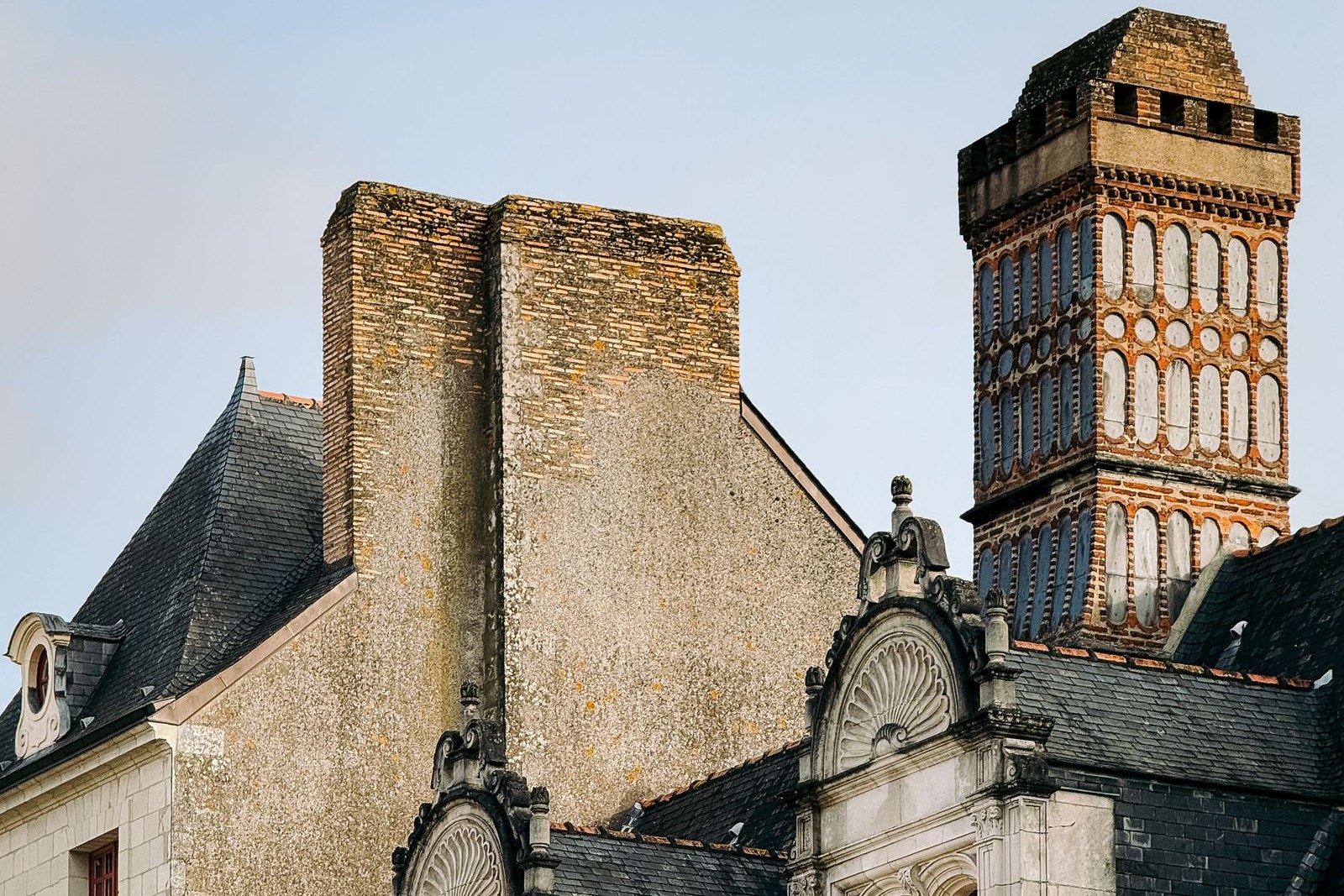
On March 1, 1895, her father and an aunt brought her to Larnay, a school near Poitiers run by a religious order, the Daughters of Wisdom.
By Arnould’s account, she was in a rage that hardly stopped for about 2 months. A child left in a place she could not see, hear or ask about might well react that way.
And Larnay wasn’t small, because its own history page says it took in 250 deaf and deafblind girls in 1903, with about 100 nuns to support them.
What was her first sign?
Touch was the one door nature had left open, Arnould wrote, and her teacher, Sister Sainte Marguerite, used it.
She noticed that Marie loved a small pocket knife she had brought from home.
She took it away, then briefly gave it back while pressing Marie’s hands into the shortened sign for knife, one hand cutting across the other. Then she took it away again.
When Marie made that sign herself, she got the knife back for good.
Arnould called it the first step, because Marie had finally understood that a sign and an object are linked.
It is the idea behind Howe’s labels, too.
How did one sign become six ways to communicate?
Arnould says the sister moved from the known to the unknown. Each new step rested on the last.
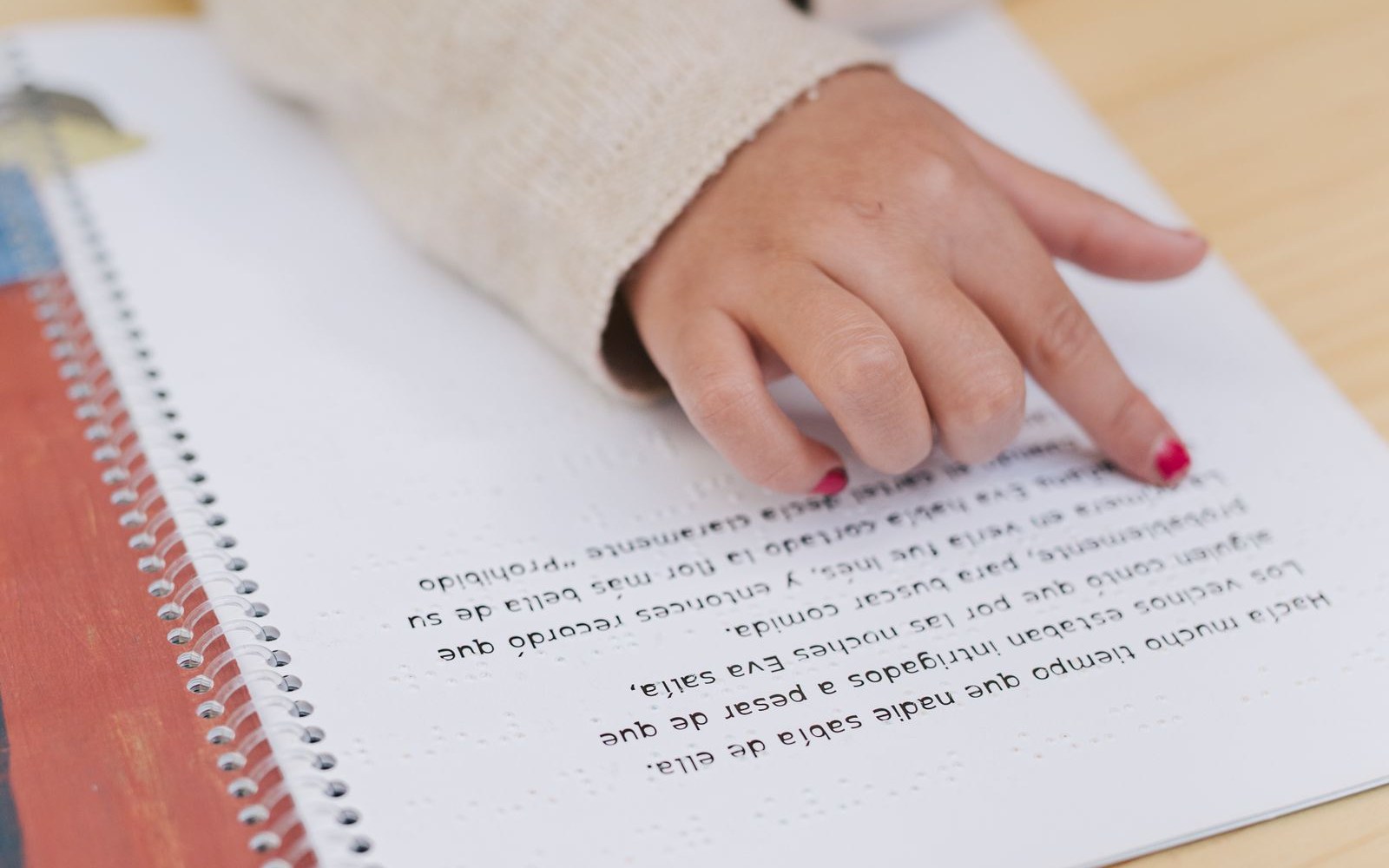
Signs for objects came first, then fingerspelling (the alphabet pressed onto the skin), then Braille for reading.
By 1904, Arnould counted 6 ways Marie could communicate, including signs, fingerspelling, Braille, handwriting and some speech. So no single method had to do everything.
Which way did she like best?
Marie preferred signs for talking and Braille for writing, Arnould says, because those were the quickest for her.
He also writes that she read speech with her fingers on her teacher’s lips.
But he adds that this work was never pushed far, because it was judged impractical for her, so speech stayed a skill for pleasure.
What did Bridgman and Heurtin have in common?
Both learned through touch, both had a dedicated teacher, and both started with real objects.
But what about a girl who had never seen or heard anything?
Bridgman lost her senses at 24 months, while Marie was deaf and blind from birth.
So Marie is a strong example that language can reach a person through touch alone.
How many deafblind people are there today, and who are they?
Sense estimates that 451,211 people in the UK were deafblind in 2022. It expects the number to pass 610,000 by 2035.
About ⅔ of them, 302,380 people, are aged 70 or over, while only 23,379 are aged 0 to 19.
So why does that matter? Because for most deafblind people today, learning means finding new ways to communicate later in life.
Sense built these numbers from research by the Operational Research Society in 2017, so they are estimates.
In India, Sense International estimates that 552,000 people live with deafblindness, using a 0.04% prevalence rate.
It also says few of them receive specialist support, so for many families finding help is the first hurdle.
And in the US, the National Center on Deafblindness says about 90% of the children on its national count have at least one more disability.
So no single method fits every child, which is why Marie’s 6 ways still matter.
How does deafblind education work today?
In deafblind education today, Perkins says teachers follow a philosophy called total communication.
In practice, they use whatever mix works for each child, like sign language, gestures, pictures, objects, Tadoma and speech.
Tadoma is a way of feeling speech: you rest a hand on a speaker’s face to feel the voice.
And Perkins says it was the main way to teach speech and language to deafblind children until the early 1950s.
Then teachers began adding the manual alphabet and sign language, which Perkins calls much better suited to many children.
So the field learned that one method rarely does it all.
What does this history mean for touch technology today?
It means a touch signal only works when someone learns what it stands for, one link at a time, with more than one channel on offer.
So how do deafblind people learn? Through touch, with a patient teacher, and usually through several channels at once.
A wearable follows the same logic. RHEMA turns speech into structured vibration patterns on a wrist wearable, and people learn those patterns through training and repetition.
What can a wearable not do?
It cannot do the teaching on its own, because someone still has to help the learner connect each pattern to a meaning.
RHEMA is an evaluation model, supervised and parent guided, and it is not a medical device, a hearing aid or a guaranteed communication solution.
Nor is it a substitute for signs, fingerspelling or Braille, which remain the base for many deafblind people.
Marie learned one sign for one thing she loved, and RHEMA’s patterns are learned step by step too. See a pattern on video or ask us what you are wondering.
Real Questions About Deafblind Learning, Laura Bridgman and Marie Heurtin, Answered
How do deafblind people learn language?
Deafblind people learn language through touch, using methods such as fingerspelling, signs, Braille and Tadoma, usually in a mix chosen for each person. Perkins School for the Blind calls this total communication. Laura Bridgman began this kind of schooling in October 1837, and Marie Heurtin began hers in March 1895.
Who was the first deafblind person to be educated?
Perkins School for the Blind says Laura Bridgman was the first student with deafblindness to be formally educated, starting in October 1837 at age 7. Perkins is describing its own student here. Marie Heurtin began lessons at Larnay in France in March 1895, so the word first depends on how formal education is defined.
Who was Marie Heurtin?
Marie Heurtin was a French woman born deafblind on April 13, 1885, who began lessons at age 10 at Larnay near Poitiers. Her teacher, Sister Sainte Marguerite, started with a sign for the pocket knife Marie loved. By 1904, Louis Arnould counted 6 ways she could communicate.
How famous was Laura Bridgman?
In her childhood, Laura Bridgman was said to be second in fame only to Queen Victoria, according to Perkins School for the Blind, after Charles Dickens wrote about her in 1842. By the later 20th century she was virtually unknown. Perkins says Helen Keller arrived at the school 50 years after her.
Where was Laura Bridgman born and buried?
Laura Bridgman was born on a farm in Hanover, New Hampshire, in 1829 and is buried in Dana Cemetery in Hanover, according to the Hanover Historical Society. She died at age 59, and Perkins gives the date as May 24, 1889.
How many people are deafblind in the UK and India?
Sense estimates that 451,211 people in the UK were deafblind in 2022, and Sense International estimates 552,000 in India. Sense expects the UK figure to pass 610,000 by 2035. Both are estimates built from prevalence rates and not head counts, so the real numbers may differ.
Does the school where Marie Heurtin studied still exist?
Yes, the Larnay institution near Poitiers is still open, and the association Larnay Sagesse has run it since 2006. France 3 reported in 2014 that it had 106 residents and 180 staff. Larnay’s own history page says it took in 250 deaf and deafblind girls in 1903.
Can a wearable replace fingerspelling, signs or Braille?
No, and RHEMA does not position its wearable that way. RHEMA turns speech into structured tactile patterns on a wrist wearable that people learn through training and repetition. It is an evaluation model, supervised and parent guided, and not a medical device, a hearing aid or a guaranteed communication solution.