
On April 5, 1887, a girl of 6 in Alabama learned 30 words in a single day, and every one of them was spelled into her hand.
The girl was Helen Keller, who had been deafblind (having both hearing loss and vision loss) since she was 19 months old.
Her teacher, Anne Sullivan, had arrived only a month before, and what she was using was the start of what we now call tactile communication, which simply means communicating by touch.
The story is usually told as one teacher and one student.
But it began earlier than that with a different girl and it did not stop with Helen Keller.
Table of Contents
- What happened when Anne Sullivan spelled water into Helen Keller’s hand?
- Who proved first that a deafblind person could learn language?
- What is Tadoma, and where did it come from?
- What did the usual Helen Keller story leave out?
- What did deafblind people build after Keller?
- What does this history mean for touch technology today?
- Real Questions About Helen Keller, Anne Sullivan and Tactile Communication, Answered
What happened when Anne Sullivan spelled water into Helen Keller’s hand?
On April 5, 1887, less than a month after she arrived, Anne Sullivan ran water over one of Helen Keller’s hands and spelled the word into the other.
According to the American Foundation for the Blind, the signals suddenly had meaning in Helen’s mind, and she had 30 words by nightfall.
Keller later wrote in The Story of My Life that she knew the word meant “the wonderful cool something that was flowing over my hand.”
Sullivan was 20, a recent graduate of the Perkins School for the Blind, and she stayed with Keller until she died in 1936.
She came from a poor Irish immigrant family, spent 4 years as a ward of the state in a Massachusetts almshouse, and only entered Perkins at 14, after surgeries partly restored her own sight.
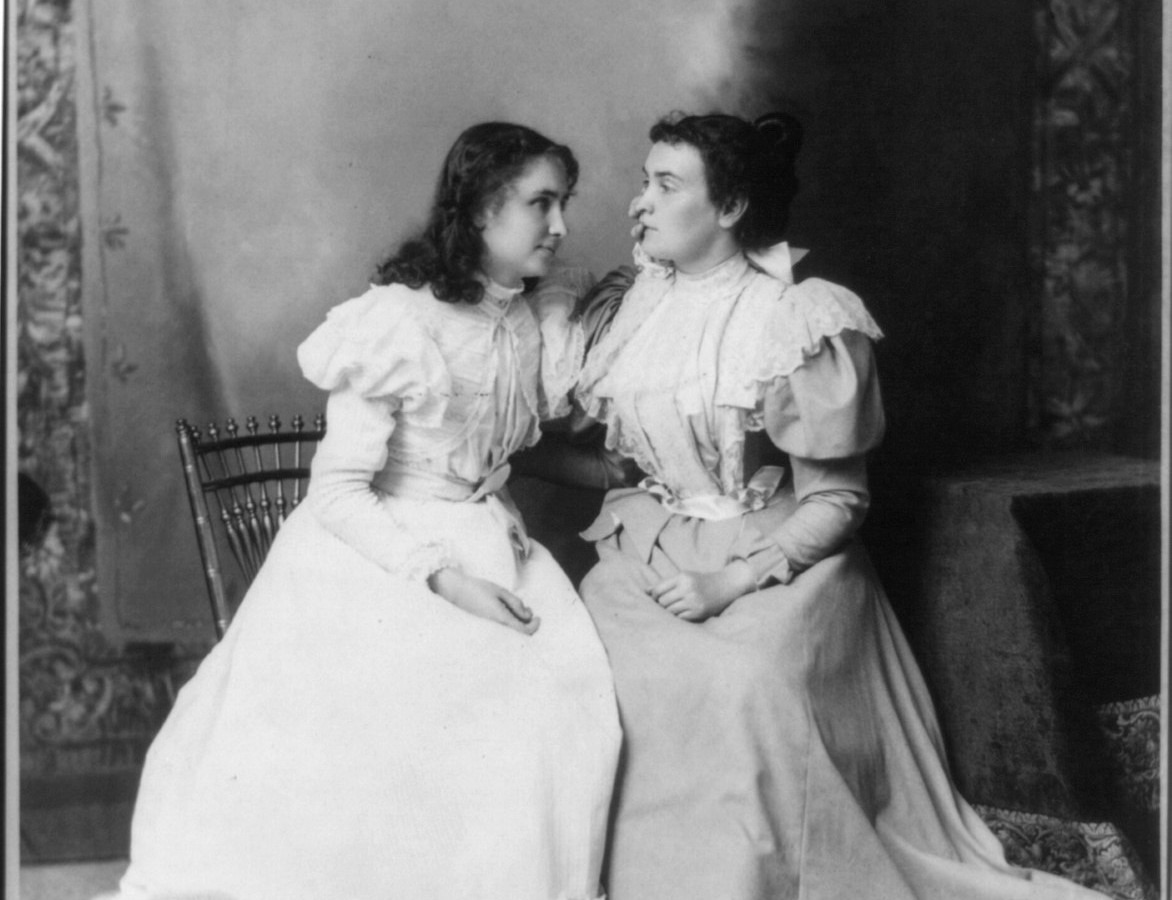
What is tactile fingerspelling?
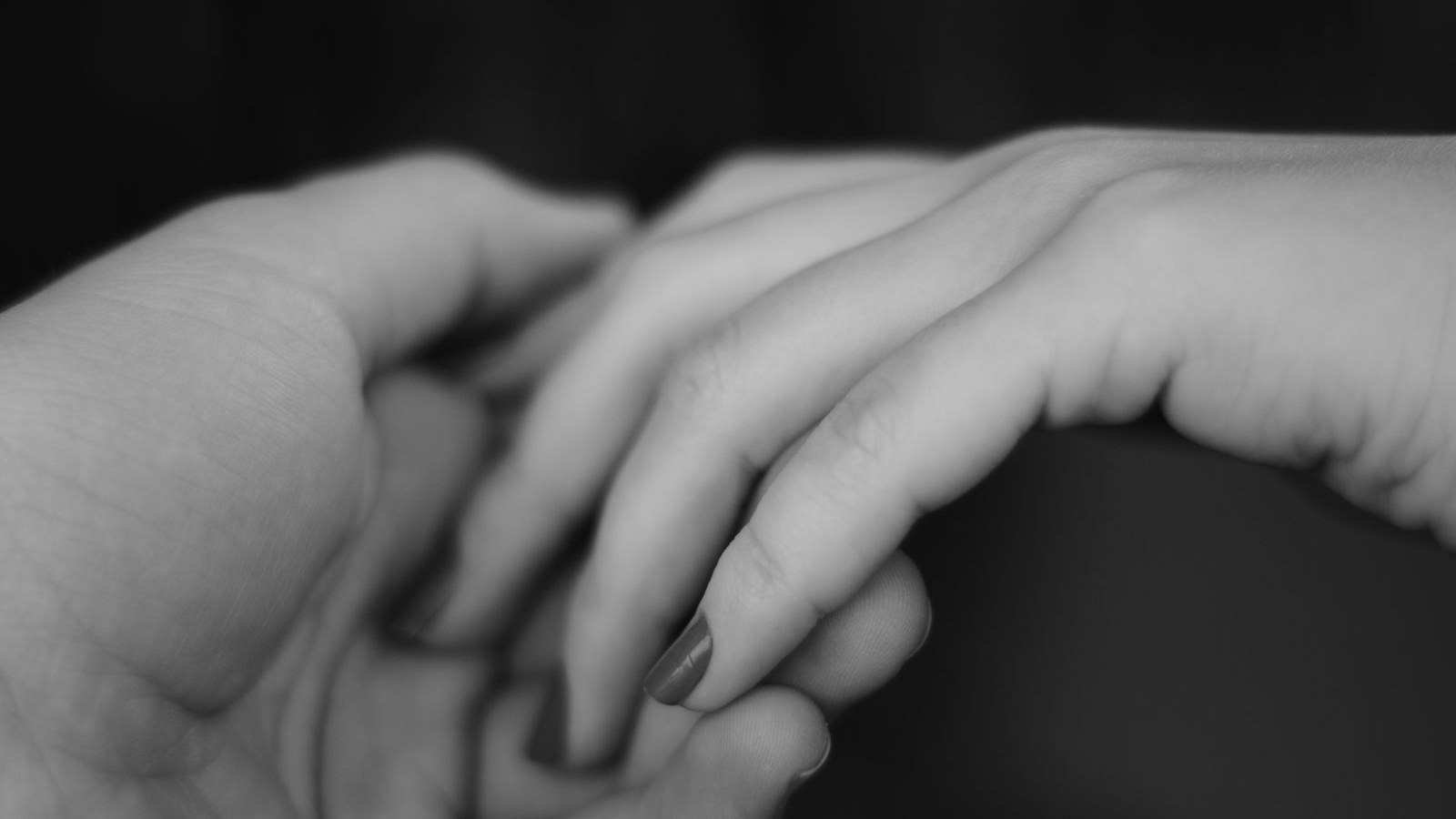
To understand what tactile fingerspelling is, think of writing a word, only the page is someone’s hand.
Tactile fingerspelling basically means making the letters of the manual alphabet (a set of hand shapes, one for each letter) inside someone’s palm, so they can feel a word instead of seeing it.
Sullivan’s very first lesson was a doll, which she spelled into Helen’s hand.
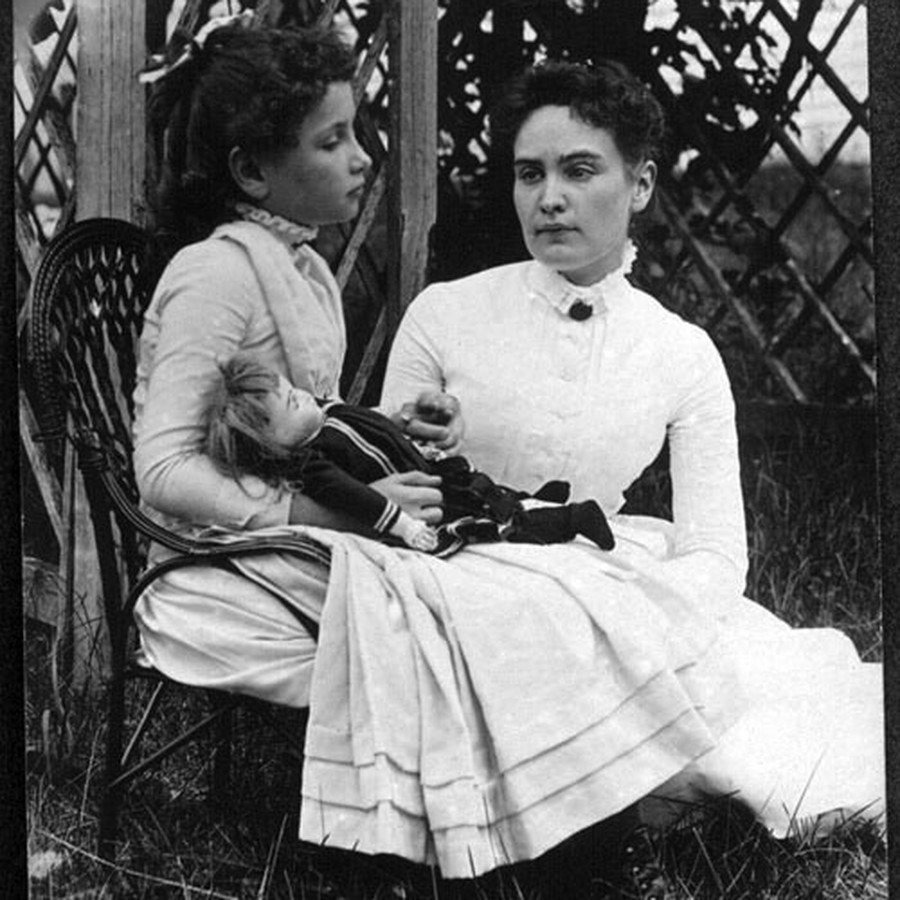
What does it look like for one word?
A word goes in one letter at a time. Water takes 5 hand shapes, pressed into the palm one after another.
Why did the water matter so much?
Because the letters and the thing they named arrived together, one on each hand.
Keller wrote that everything had a name, and that each name gave birth to a new thought.

Who proved first that a deafblind person could learn language?
Laura Bridgman did, 50 years before Keller met Sullivan, and Perkins credits her with changing what people thought was possible.
She arrived at the Perkins School in October 1837 at age 7, after scarlet fever left her with only her sense of touch, and Samuel Gridley Howe taught her with raised letter labels on objects like keys and spoons.
According to Perkins, she realized after 2 months that objects have names, learned to write on a special board, and rarely made a spelling or grammar mistake in her letters to family and friends.
Charles Dickens wrote about her in 1842, Keller’s parents read it and wrote to Perkins, and Perkins sent Sullivan to Alabama in March 1887.
Sullivan had studied Howe’s reports on Bridgman, but she saw quickly that her student needed a different approach, so she started from Keller’s own interests.
Maria Montessori later credited Sullivan with using the Montessori method years before Montessori developed it.
So the famous scene at the water pump sits at the end of a chain that began with one child and one book.

What is Tadoma, and where did it come from?
Tadoma is a way of reading speech by touch. In other words, you feel what someone is saying instead of hearing or seeing it.
The deafblind person rests a hand on the speaker’s jaw and lips and feels the vibration of the voice, which is why Perkins calls it tactile lip reading.
It is named for Tad Chapman and Oma Simpson, the first deafblind students to use it.
Perkins says Keller’s effort to learn to speak caught the attention of teachers, and one of them, Inis Hall, brought the method to the school.
It took so long to learn that it pushed Perkins to start a separate program just for students with combined vision and hearing loss.
How well does touch carry speech?
A 2009 paper in the Journal of the Acoustical Society of America notes that Tadoma communication runs at roughly half the rate of normal hearing, and the researchers still use it as a model when they design touch devices.
So half the speed is slow, but it proves that speech can travel through skin alone.
What did the usual Helen Keller story leave out?
Politics, mostly. TIME reported in 2015 that Keller joined the Socialist Party in 1909, soon joined the labor union the IWW, opposed World War I, and was watched by the FBI for most of her life.
TIME says the popular version leaves that out and leans on individual determination instead.
She also earned a degree from Radcliffe in 1904 and worked with the American Foundation for the Blind for more than 40 years, so there is far more to her than one moment at a pump.
Keller is one of the most famous deafblind people in history, yet the usual story is a few minutes long.
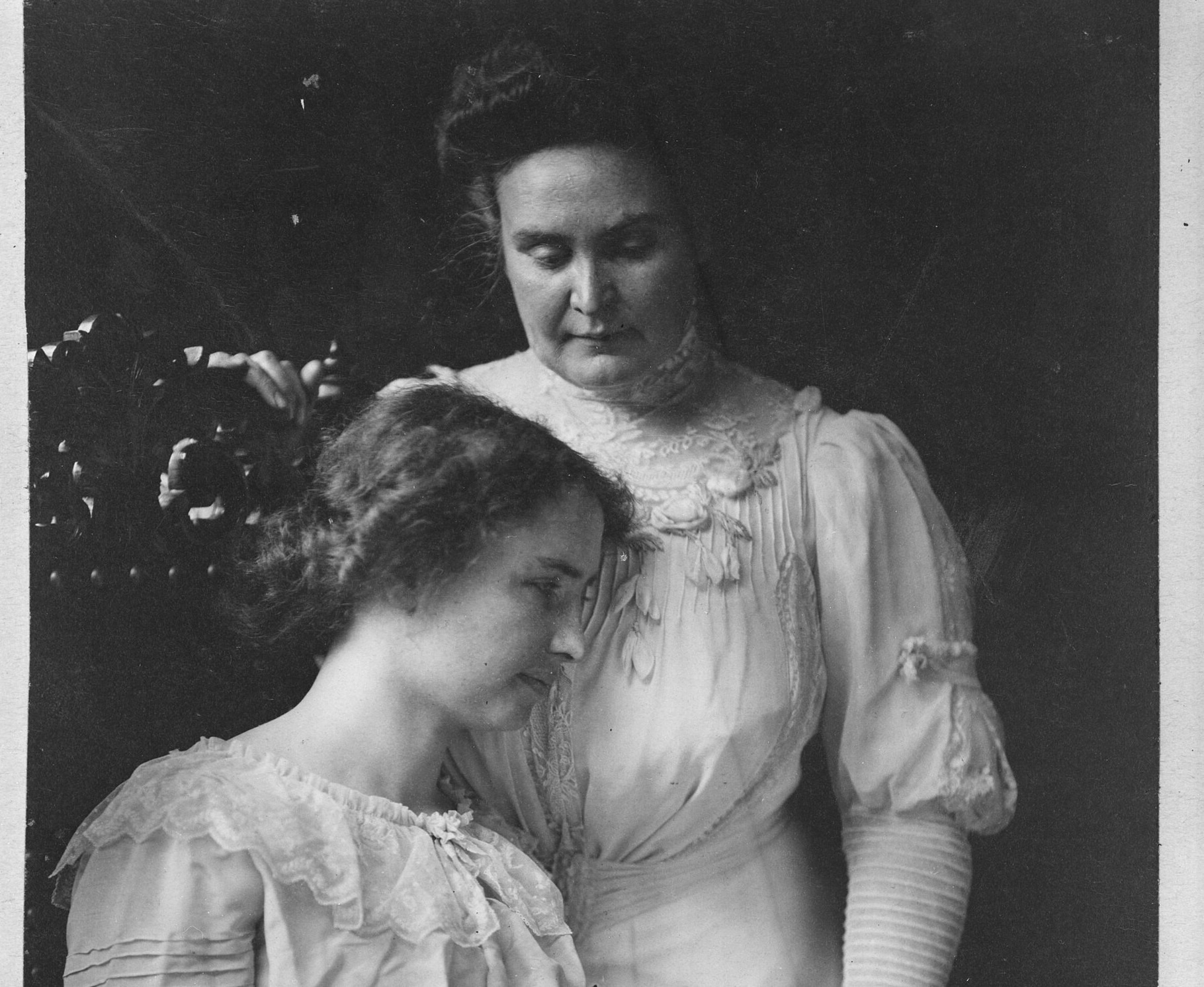
Not everyone accepts even the radical retelling.
In a 2020 TIME piece, Black disability rights activist Anita Cameron calls Keller a privileged white person.
Deafblind lawyer Haben Girma says the dominant story of Keller was not told by Keller, and that picturing her only as a child leads people to treat disabled adults like children.
So when you read any story about disability, ask who is telling it.
What did deafblind people build after Keller?
They built their own language.
Protactile is based solely on touch, and a deafblind group in the Pacific Northwest created it, according to OPB in 2022.
Jelica Nuccio, one of its founders, began it after she took over the DeafBlind Service Center in Seattle and pushed for people to talk to each other directly, without interpreters.
Nuccio says the aim was never to create a language, just to be in direct contact.
Western Oregon University has since received a $2.1 million federal grant to train interpreters for it, so money and training now flow toward a language the community made itself.
Where does the Helen Keller name show up today?
The Helen Keller National Center in New York calls itself the only national program providing comprehensive vocational rehabilitation services for people with combined hearing and vision loss, from age 16 to seniors 55 and older, according to its own site.
In India, the Helen Keller Institute for Deaf and Deafblind in Mumbai runs inclusive education for deaf and deafblind learners.
What does this history mean for touch technology today?
The same two things run through all of it: touch carries real language, and people have to learn it.
What has changed is who or what makes the touch.
A wearable can send the pattern, so the person is no longer tied to one teacher’s hand.
But someone still has to learn the patterns, and that learning is the hard part.
So how do deafblind people communicate today? Perkins’ deafblind program works on a philosophy it calls Total Communication, where any and all means of communication are developed and each student uses whatever combination works best.
That is the right way to think about deafblind communication.
It is also the idea behind the RHEMA Wrist, which turns speech into structured vibration patterns that users learn through training and repetition.
RHEMA is an evaluation model, supervised and parent guided.
It is not a medical device, a hearing aid or a guaranteed communication solution, and it does not replace fingerspelling, Tadoma or Protactile.
Access still decides a lot.
The National Deaf Center found that in 2017 only 53.3% of deaf people in the US were employed, compared with 75.8% of hearing people, in its 2019 report.
That covers deaf people broadly, not only deafblind people, but it shows what is at stake when communication falls short.
Sullivan’s first lesson was one hand and one word.
If you want to see how a wearable sends a word to the wrist instead, watch the demos or send us your questions.
Real Questions About Helen Keller, Anne Sullivan and Tactile Communication, Answered
Who taught Helen Keller to communicate?
Anne Sullivan, a 20 year old Perkins graduate who arrived in Tuscumbia, Alabama on March 3, 1887, taught Helen Keller using the manual alphabet spelled into her palm. Sullivan stayed with Keller until her own death in 1936, nearly 5 decades, according to the American Foundation for the Blind.
When was the water pump moment?
It was April 5, 1887, less than a month after Sullivan arrived. She spelled the word water into one of Keller’s hands while water ran over the other, and Keller learned 30 words by nightfall. Keller was 6, and had been deafblind since age 19 months.
Who was Laura Bridgman?
Laura Bridgman is the Perkins student who showed that a deafblind person could learn language. She arrived in October 1837 at age 7, and after 2 months of lessons with Samuel Gridley Howe she understood that objects have names. She came 50 years before Keller met Sullivan.
What is Tadoma?
Tadoma is a method where a deafblind person places a hand on a speaker’s jaw and lips to feel the vibration of the voice, sometimes called tactile lip reading. It is named for Tad Chapman and Oma Simpson, and research notes it runs at roughly half the rate of normal hearing.
What is Protactile?
Protactile is a language based solely on touch, created by deafblind people in the Pacific Northwest over the last 15 years, according to OPB in 2022. It lets deafblind people communicate directly, without an interpreter between them, and Western Oregon University received a $2.1 million grant to train its interpreters.
Was Helen Keller a socialist?
Yes. TIME reports that Keller joined the Socialist Party in 1909 and became an IWW member soon after, and that she opposed World War I and was watched by the FBI for most of her life. Some disability activists, including Anita Cameron, still criticize how her story is told.
Can a tactile wearable replace fingerspelling or Protactile?
No, and we do not position RHEMA that way. Tactile fingerspelling goes back to Bridgman in the 1830s and Sullivan in the 1880s, and Protactile developed within the last 15 years, so a wearable is one more option and not a replacement. RHEMA’s evaluation model is supervised and is not a medical device or a guaranteed communication solution.